
When Melbourne shut down, Port Phillip Bay fell quiet…and researchers tuned in.
A new study led by the Marine Mammal Foundation and Curtin University has revealed how Covid-19 lockdowns reshaped the Bay’s underwater soundscape. For the first time, scientists captured the “anthropause” effect beneath the waves, documenting vessel noise and the acoustic presence of the critically endangered Burrunan dolphin (Tursiops australis).
Listening through the silence
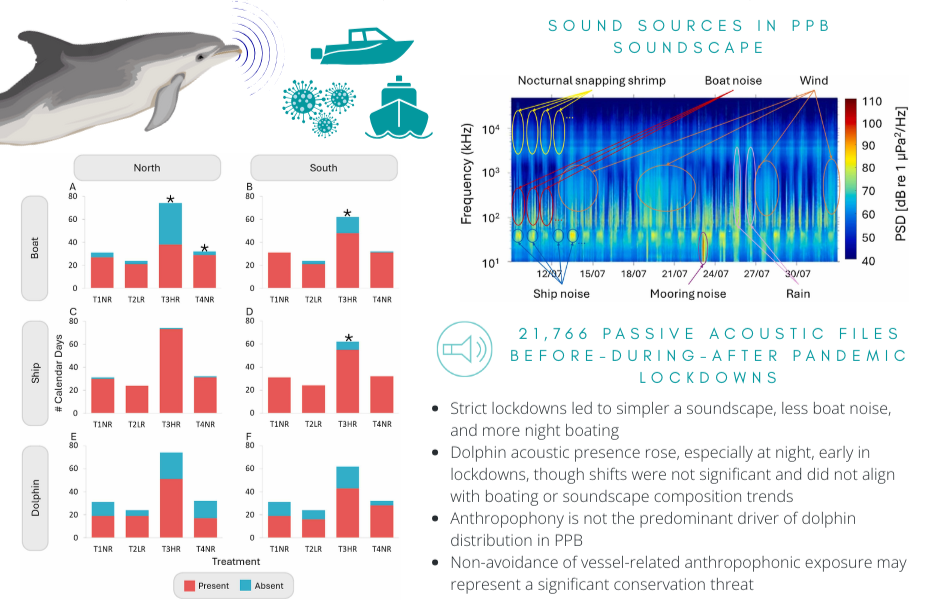
Using underwater recorders at Black Rock (‘north’) and Rye (‘south’), researchers collected more than 21,000 five-minute audio files across 310 days. These recordings spanned four phases: pre-pandemic, low-restriction lockdown, high-restriction lockdown, and easing of restrictions.
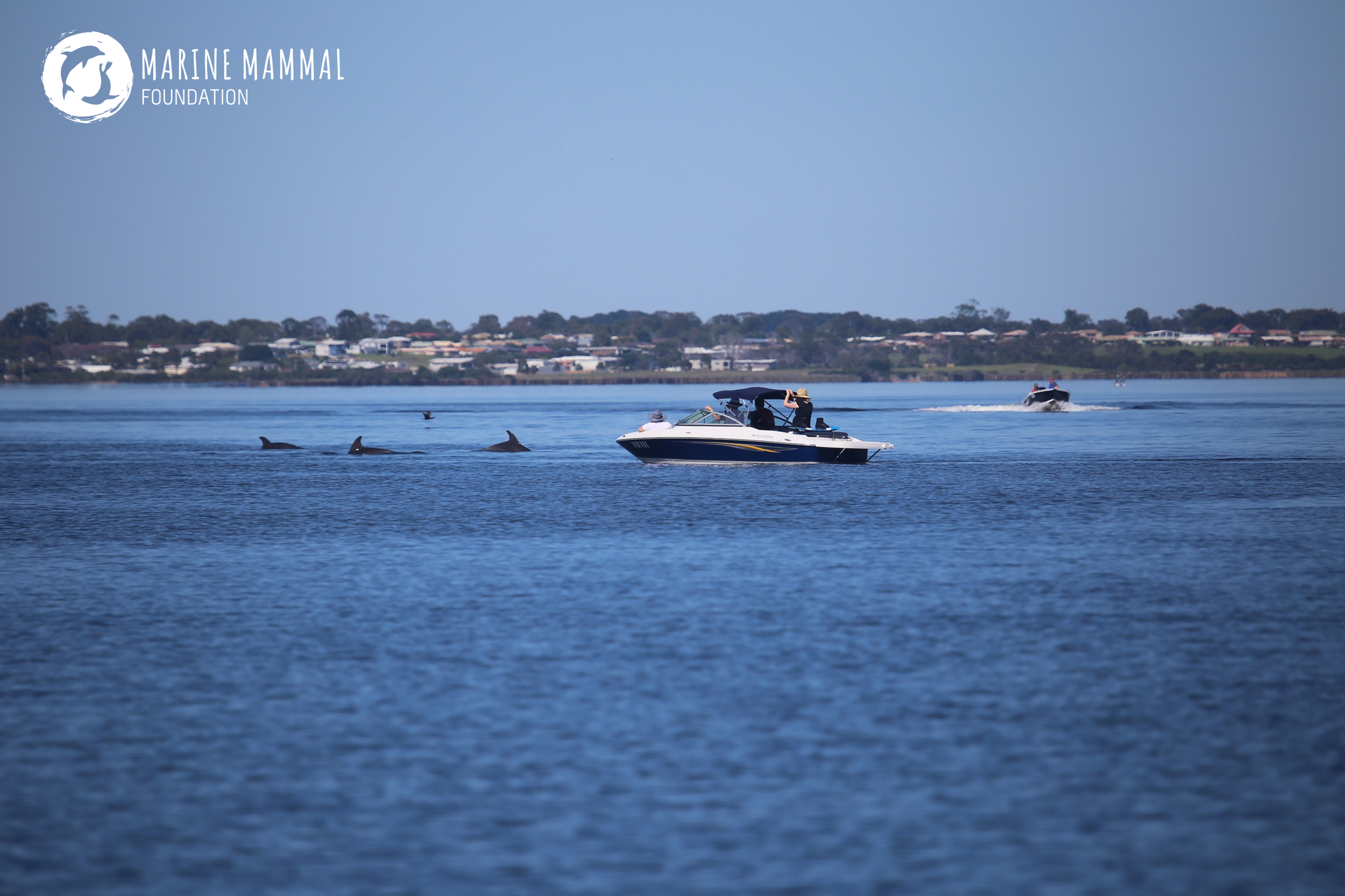
The findings were striking. Recreational boat noise increased briefly during initial lockdowns but dropped dramatically during Melbourne’s strictest restrictions. Some boaters, however, took to the water at night, suggesting efforts to skirt the rules. Large ship traffic, tied to trade through the Port of Melbourne, remained relatively steady in the north but declined in the south, reflecting reduced ferry and passenger services.
Dolphins holding their ground
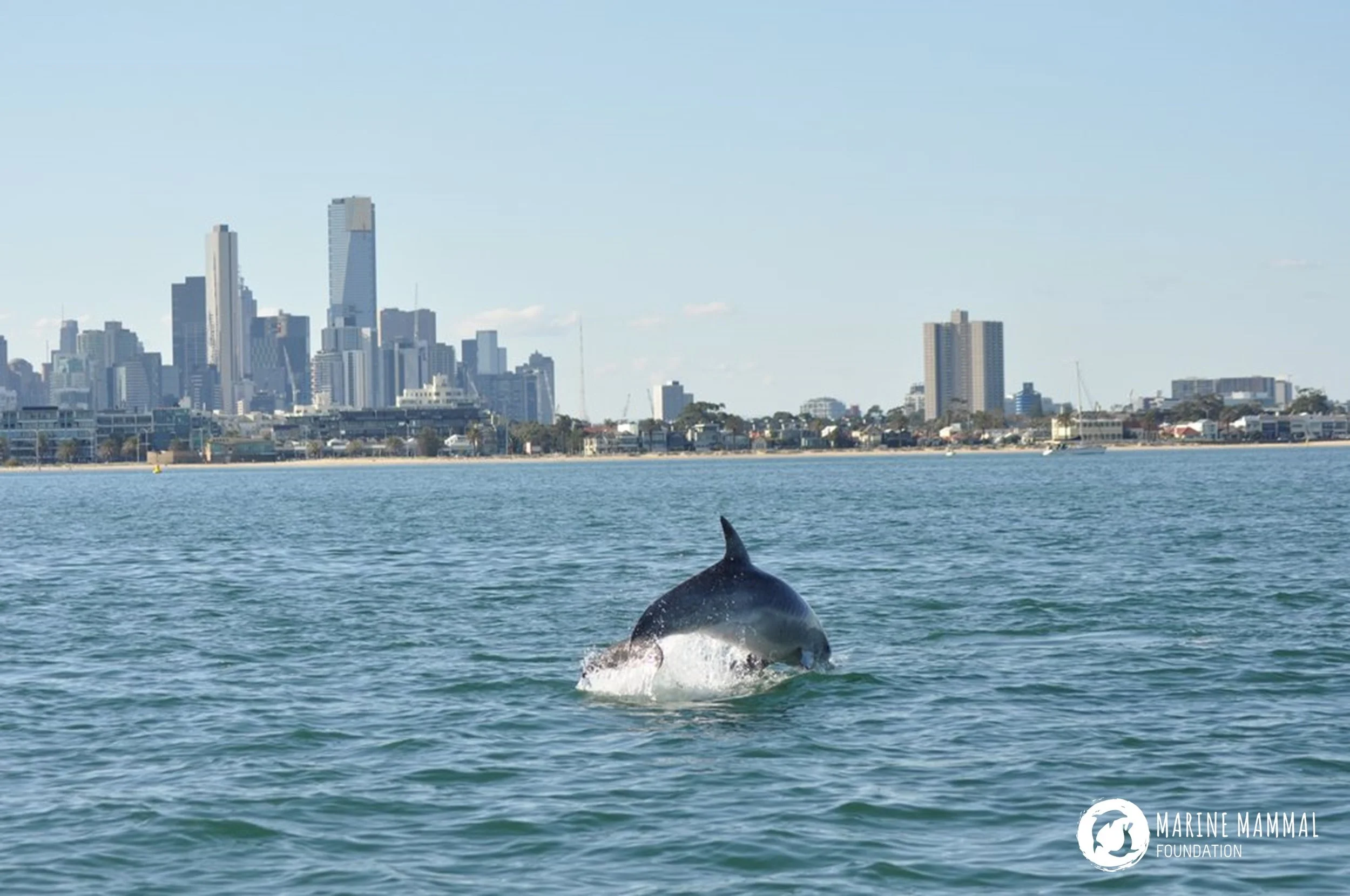
Despite shifts in human activity, Burrunan dolphin acoustic presence remained consistent throughout. In the north of the Bay, dolphins were slightly more active during the early lockdown, while in the south, their day-night activity patterns shifted. These results suggest that while vessel noise affects dolphin behaviour, other ecological factors, such as prey availability and habitat preference, play stronger roles in shaping their distribution.
Why it matters
Port Phillip Bay is home to one of only two resident populations of Burrunan dolphins, numbering just ~120 individuals. Understanding how human noise interacts with their habitat is critical for conservation.
Lead author Amber Crittenden said:
“The Covid-19 lockdowns provided a rare natural experiment. While the Bay’s soundscape quietened, our dolphins didn’t disappear. This highlights the complexity of their ecology, and the urgent need to manage multiple threats, including noise, pollution, and vessel interactions.”
Next steps
This study represents the first characterisation of Port Phillip Bay’s marine soundscape. The team is continuing long-term monitoring to better understand how anthropogenic noise, alongside other environmental pressures, impacts this vulnerable species.
The Marine Mammal Foundation thanks the Lord Mayor’s Charitable Foundation for supporting this research.
For comments or more information:
research@marinemammal.org.au
Additional Images and sound files available on request.
Follow @marinemammalfoundation on Instagram
LINKS:
Crittenden, A., Robb, K., Erbe, C. (2025) A marine soundscape anthropause: Covid-19 lockdown impacts on soundscape composition, vessel traffic, and dolphin acoustic presence in Port Phillip Bay. Regional Studies in Marine Science. https://www.sciencedirect.com/science/article/pii/S2352485525004773